Pourquoi j’ai créé BifröstWhy I created Bifröst
Il n’est pas possible d’agir sans connaître sa mécanicité.
You cannot act without knowing your own mechanicity.
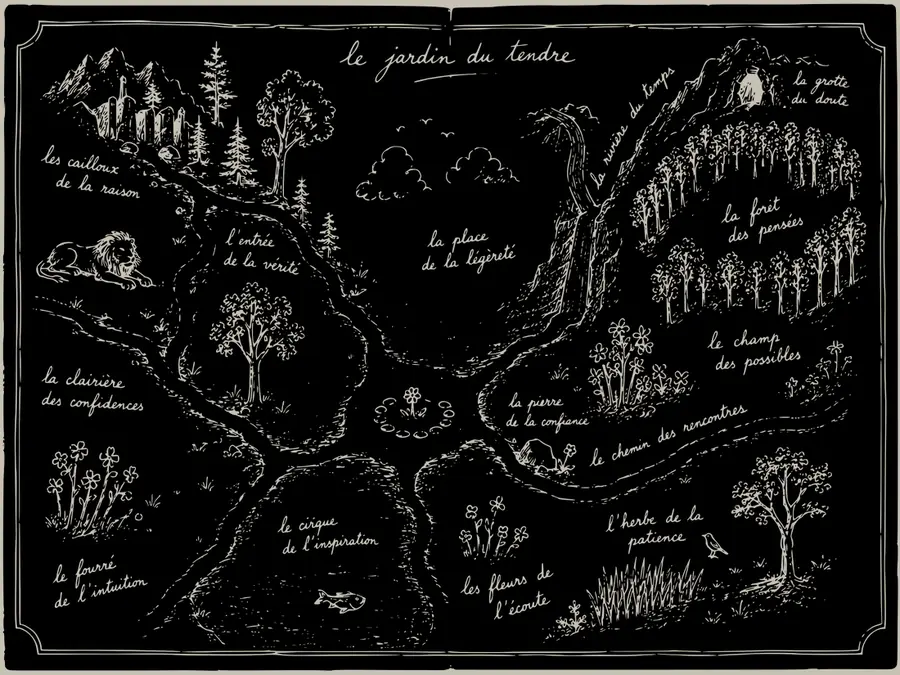
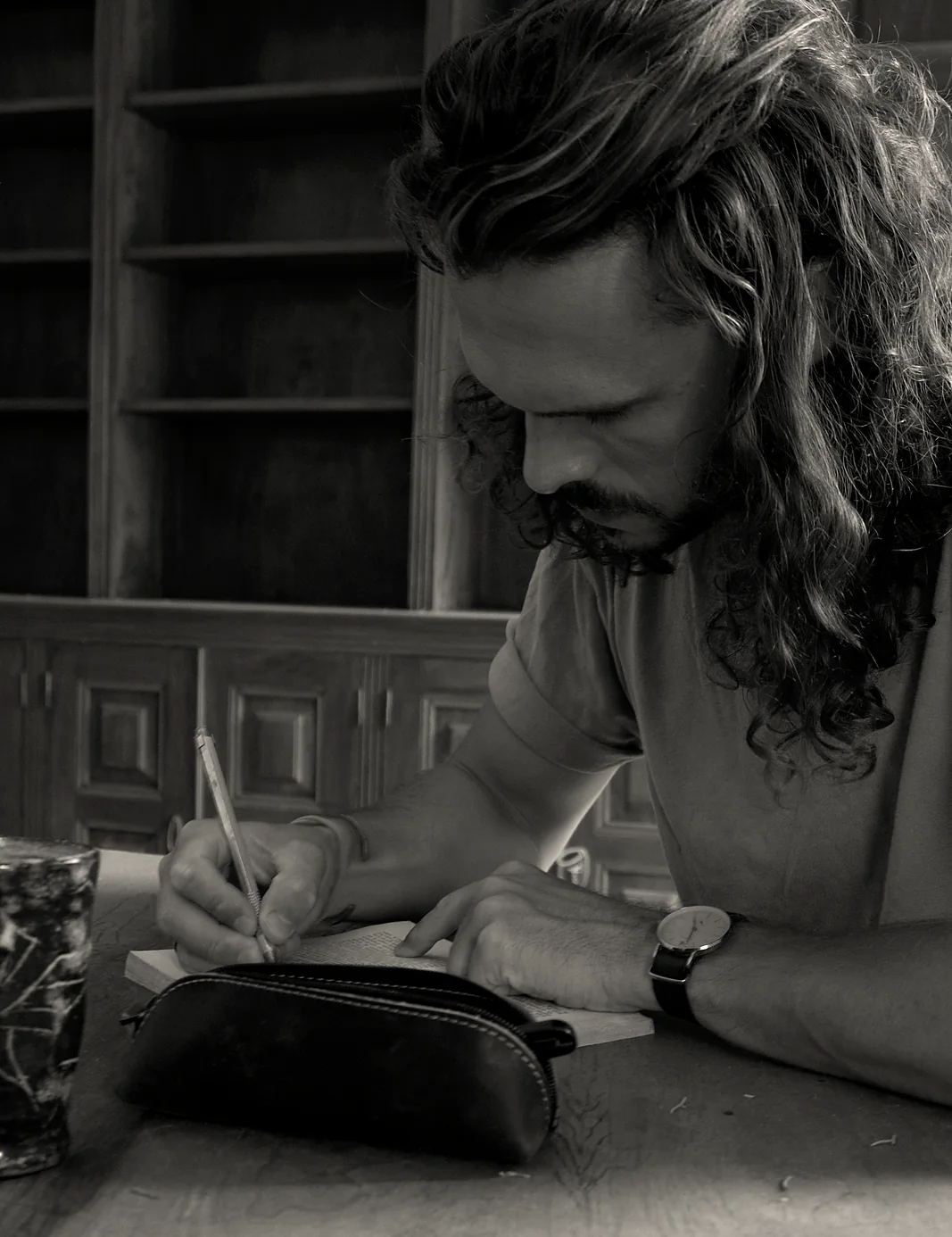
Bifröst est né d’une observation faite au cabinet. En tant qu’ostéopathe, j’ai vu revenir, année après année, un même schéma : une douleur qui persiste n’est presque jamais qu’un accident mécanique isolé. Elle semble aussi entretenue par la manière dont la personne interprète ce qui lui arrive.
Bifröst was born from an observation made in the clinic. As an osteopath, year after year, I kept seeing the same pattern: pain that persists is rarely just an isolated mechanical accident. It also seems to be sustained by the way the person interprets what happens to them.
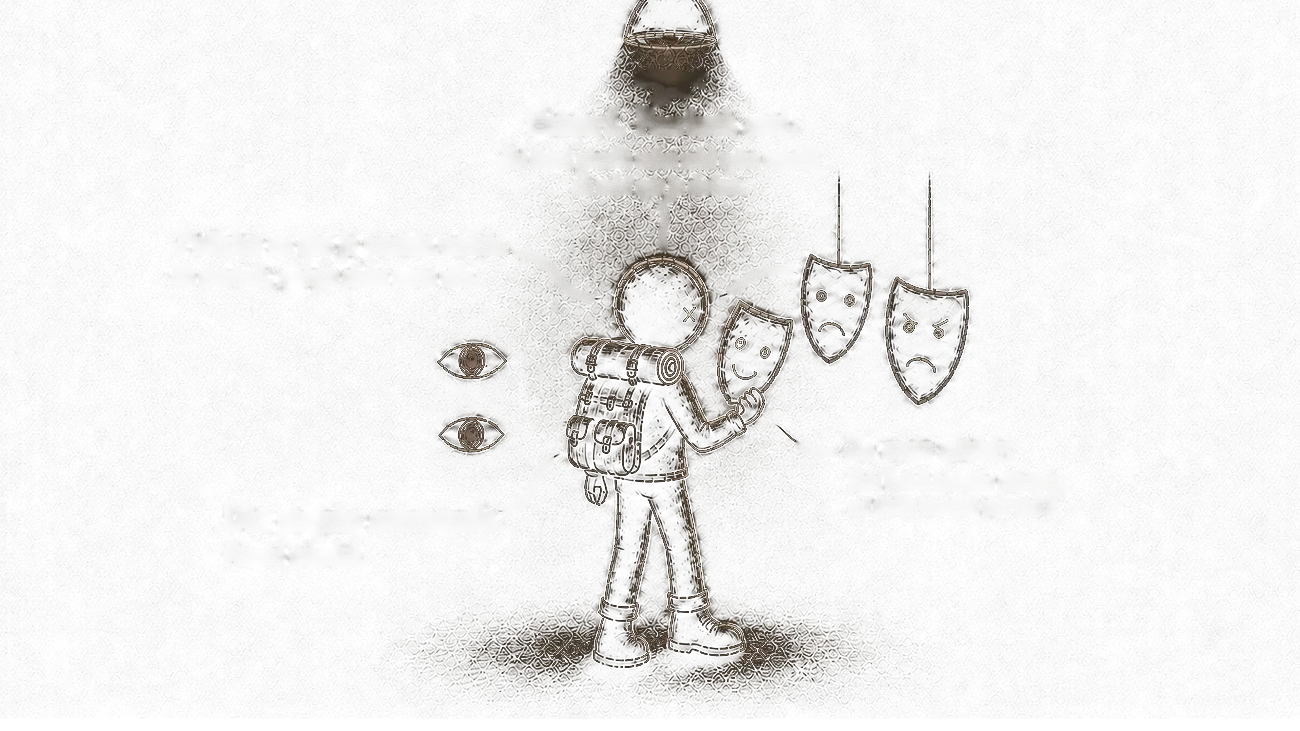
Chacun regarde sa vie à travers une lentille d’interprétation. Sans assez de granularité, elle produit toujours les mêmes lectures. Donc les mêmes réponses. Donc la même vie.
Everyone looks at their life through an interpretive lens. Without enough granularity, it always produces the same readings. Hence the same responses. Hence the same life.
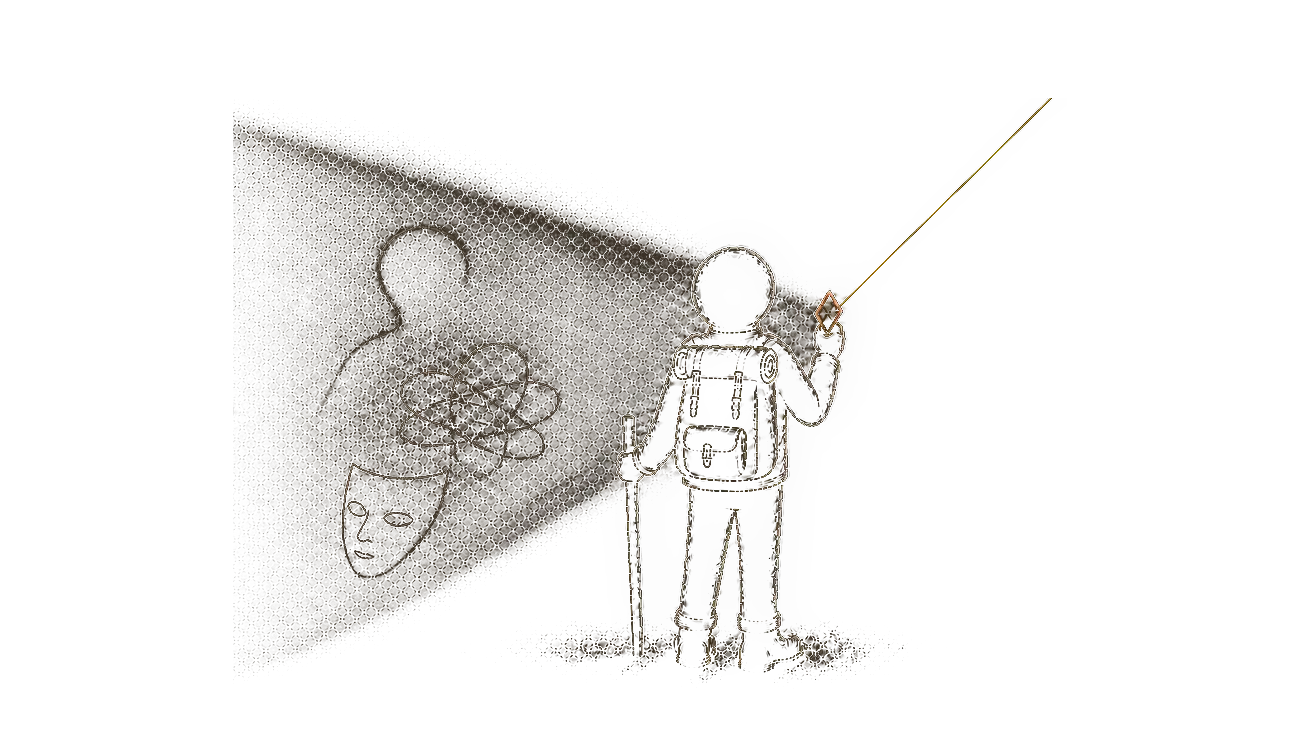
Et voici le paradoxe qui continue de me frapper : notre programme interne dicte la quasi-totalité de nos actions, et nous ne prenons presque jamais le temps de l’explorer.
And here is the paradox that still strikes me: our inner programme dictates nearly all of our actions, and we almost never take the time to explore it.
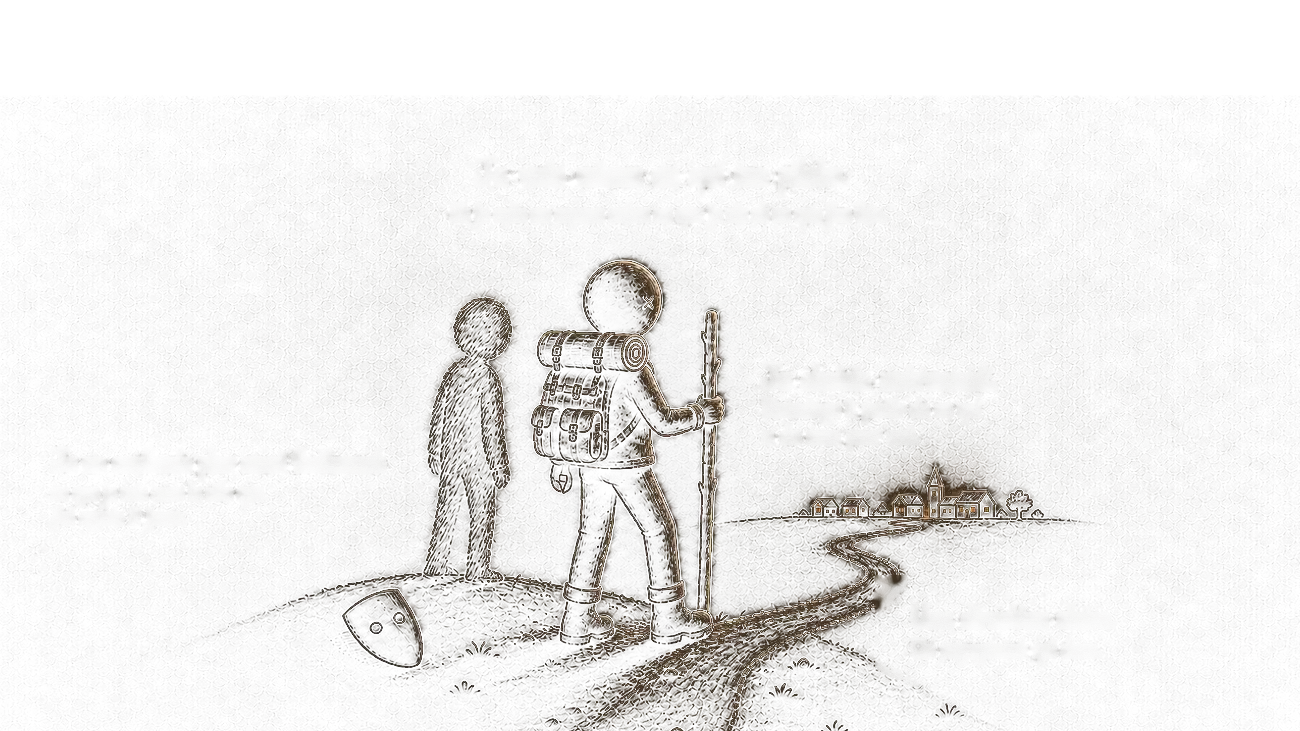
Passer de « je subis ma réalité » à « je peux agir sur ce qui m’arrive ». C’est ce qui rend une direction tenable, et une création possible.
Moving from “I endure my reality” to “I can act on what happens to me”. That is what makes a direction sustainable, and a creation possible.